A car accident can be a stressful and disorienting experience, even when injuries are minor and the damage appears small. Beyond the initial shock, many drivers are left wondering what to do next and how to make the right decisions about their vehicle. From assessing visible damage to weighing whether to repair, recycle, or replace your car, every step matters. Understanding your options can help you protect your safety, your finances, and your long term transportation needs. You have many possible options after dealing with a car accident, so here’s some practical advice and insights as to what you can do next and move forward with confidence.
Assess the Damage
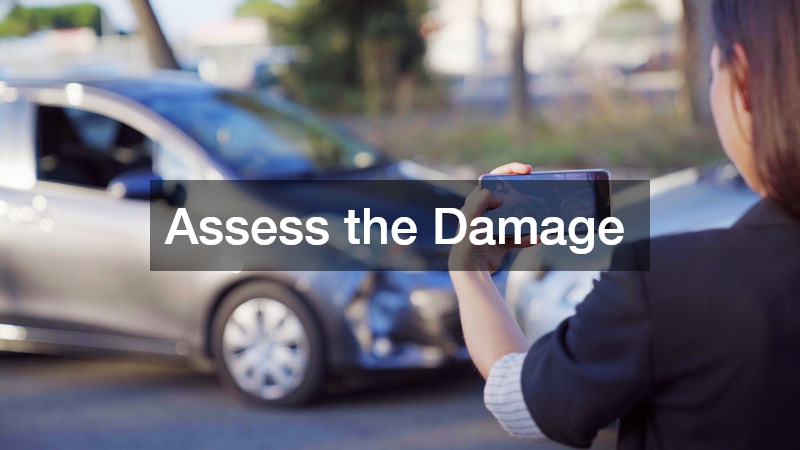
The first step after an accident is to evaluate the condition of your vehicle as thoroughly as possible. Safety should always be your top priority. If the vehicle is still operable, pull over to a secure location and inspect the exterior carefully. Look for bent body panels, cracked lights, leaking fluids, damaged tires, or signs of misalignment. Even if the outside looks fine, hidden structural or mechanical issues can still exist.
This is where consulting experienced auto mechanics becomes especially valuable. A trained professional knows how to identify internal damage that may not be visible to the naked eye. They can check the suspension, frame, brake system, and steering components to determine whether the vehicle is safe to drive. Skipping a professional inspection can put you at risk, since underlying issues may worsen over time or cause future breakdowns. A careful assessment sets the foundation for every decision that follows.
Consider Body Work
Once safety and mechanical concerns have been reviewed, the next focus is cosmetic and structural body repairs. Even minor fender damage or scratches can reduce your vehicle’s resale value, and more serious body damage may compromise aerodynamics or create long term corrosion problems. Restoring the exterior is not only about appearance. It also plays an important role in protecting your vehicle from environmental wear and further deterioration.
During this stage, some drivers explore options like painting, dent correction, or exterior restoration services, especially when they want the vehicle to look like new again. For situations where cleaning, paint correction, and surface restoration are prioritized, car detailing can play a meaningful role in helping the vehicle recover its original condition. Paying attention to both appearance and structure helps ensure that the car remains functional, appealing, and protected from future damage.
Move Your Vehicle
If your car cannot be driven safely after the accident, arranging transportation to a secure location or repair facility becomes essential. A damaged vehicle sitting on the roadside can create additional hazards for other drivers and pedestrians, and it may also expose your car to theft, vandalism, or weather related deterioration. In many areas, vehicles left unattended after a collision may be subject to municipal towing or citations, which can add unexpected costs to an already stressful situation. Even if the car appears stable, internal damage or leaking fluids can make it unsafe to keep on the roadway for an extended period of time.
This is the point where reaching out to a reputable car towing company is often the best course of action. Professional towing ensures that your vehicle is moved carefully and securely, reducing the risk of worsening the existing damage or causing new issues during transport. Trained operators can load and secure your car using the appropriate equipment, whether it requires a flatbed truck or a traditional tow. Moving the vehicle to a repair shop, storage facility, or your home also allows you to keep it protected while you evaluate your options. Many towing providers coordinate directly with insurance companies, help document the condition of the car at pickup, and provide receipts or reports that may be useful during a claim review. Getting the vehicle moved promptly helps protect your property, preserves important evidence from the accident scene, and gives you the time and peace of mind needed to make informed decisions about your next steps.
Get an Estimate
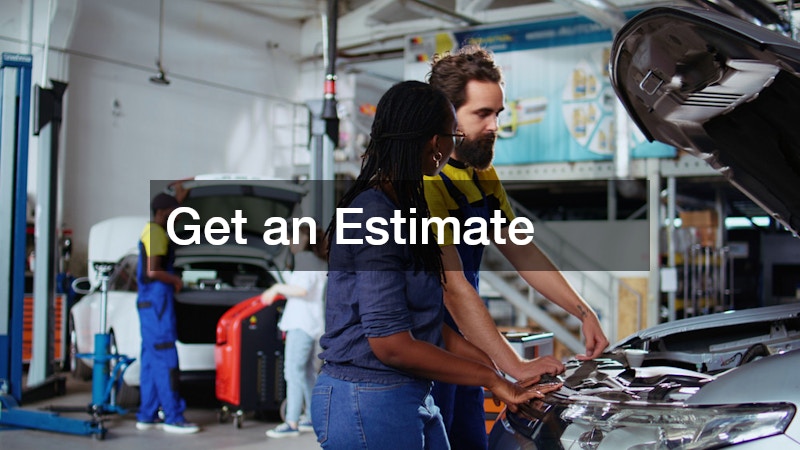
After your vehicle is safely relocated, the next major step is obtaining a repair estimate. Insurance companies typically require a professional evaluation to determine whether the car will be repaired or declared a total loss. An estimate also helps you understand the financial implications of the damage and whether repairs align with your long term plans for the vehicle.
Repair specialists who provide auto repair services can examine both visible and internal damage, prepare a detailed cost breakdown, and explain which repairs are essential for safety and functionality. They may also identify additional risks that were not immediately noticeable. Comparing estimates and asking questions about parts, labor, and turnaround time can help you make an informed decision. A thorough estimate is not simply a cost figure. It is an important roadmap that guides the rest of the decision making process.
Consult an Attorney
Not every accident requires legal assistance, but many situations benefit from professional guidance, especially when injuries, liability disputes, or insurance complications are involved. If fault is contested, if medical bills are significant, or if you feel that your claim is being undervalued, you may want to seek legal advice.
A knowledgeable car accident lawyer can help you understand your rights, negotiate with insurance adjusters, and pursue compensation when appropriate. Legal professionals are familiar with accident documentation, evidence requirements, and state regulations, which can significantly impact the outcome of a claim. Even a brief consultation can provide clarity about whether further legal action is necessary. Protecting your legal and financial interests early in the process can prevent costly mistakes down the road.
Check Engine Damage
Body damage is often the most obvious result of an accident, but engine and drivetrain issues can be even more serious and potentially more costly if left unchecked. Even a low speed collision can cause hidden damage to vital components such as engine mounts, belts, cooling systems, or internal mechanical parts. Damage to the drivetrain can lead to problems with transmission performance, wheel alignment, or the differential. Sometimes these issues do not present immediate symptoms, which is why a thorough inspection is crucial. If your car begins to make unusual noises, emit smoke, show dashboard warning lights, or experience decreased performance after an accident, these may be signs of internal damage that requires prompt professional attention. Ignoring these early indicators can lead to more severe failures, leaving you with higher repair costs or even rendering the vehicle inoperable.
In more severe cases where internal components have been compromised, a car engine rebuild may be considered as a potential solution. Engine rebuilding involves disassembling the engine, inspecting all major parts, replacing worn or damaged components, and reassembling it to restore performance. This is a major undertaking that requires expertise, specialized tools, and careful assessment of whether the investment makes sense given your car’s age, mileage, and overall condition. A qualified mechanic can provide detailed guidance on whether a rebuild is practical or if engine replacement would be a more cost effective and reliable option. In some cases, rebuilding the engine can significantly extend the life of your vehicle, making it a worthwhile investment. In other situations, the cost may exceed the vehicle’s value, prompting consideration of a replacement vehicle instead.
Addressing engine damage early not only prevents further deterioration but also ensures that you have a clear understanding of your car’s long term mechanical health before committing to repairs or replacement. Timely inspection and intervention can protect your safety on the road, prevent unexpected breakdowns, and ultimately save money by avoiding compounded damage. Taking these steps gives you the confidence to make informed decisions and preserves the reliability and performance of your vehicle over time.
Repair or Replace
Once estimates, inspections, and engine evaluations are complete, you will likely arrive at one of the most important decisions: whether to repair your current vehicle or replace it entirely. This decision depends on many factors, including cost of repairs, insurance coverage, the age and mileage of the car, and your personal financial situation.
Some drivers choose to restore their vehicles fully, especially when the accident damage is moderate and the car still holds long term value. In situations where owners want to refresh both appearance and cleanliness during the recovery process, car detailing services can help restore confidence in the look and feel of the vehicle after repairs are complete. Others may decide that investing in extensive repairs does not make financial sense. There is no universal right answer. The best choice is the one that aligns with your budget, safety needs, and future transportation plans.
Scrap Your Old Car
If your vehicle is declared a total loss or the estimated repair costs exceed its overall value, scrapping the car may become the most practical and sensible option. Older vehicles that have sustained extensive frame damage, severe engine failure, or irreparable structural issues may no longer be worth repairing. Continuing to invest in a car with serious mechanical or safety problems can quickly become a financial burden, and keeping a totaled vehicle on your property may take up valuable space while it continues to deteriorate over time. In these situations, many drivers consider environmentally responsible disposal options that both remove the damaged vehicle from their property and contribute to sustainable practices.
Working with reputable junk car recycling services ensures that your totaled vehicle is handled in a safe and environmentally conscious manner. These services carefully dismantle the vehicle, separating reusable metals, plastics, and other components for recycling or repurposing. Valuable parts such as the battery, catalytic converter, tires, and functioning engine components can be salvaged and sold, while the remaining metal is melted down and reused in manufacturing processes. This not only helps reduce waste and environmental impact, but it also offers a potential financial return in the form of scrap value or compensation for salvageable parts.
Additionally, professional junk car recycling services often manage the paperwork and logistics associated with disposing of a totaled vehicle, including title transfer and regulatory compliance. This ensures that the process is legal, transparent, and hassle-free for the vehicle owner. For many, recycling a totaled vehicle is not only a practical choice but also a responsible one, allowing them to move forward while knowing that their old car will be repurposed rather than left to contribute to landfill waste.
Find a Replacement Ride
If your damaged vehicle is no longer drivable or has been totaled, you will need to secure alternative transportation. Some drivers rely on temporary rentals or public transit during the decision making period, while others begin searching immediately for a replacement vehicle. Budget, commute requirements, and long term goals all influence this choice.
Exploring local used cars can be a cost effective way to get back on the road without the expense of a brand new vehicle. Used cars often provide excellent value, particularly when you select a reliable model with a solid maintenance history. Taking your time to research options, review vehicle records, and schedule pre purchase inspections can help you find a dependable replacement that meets your needs after the accident.
Make a Final Decision

By the time you reach this stage, you will have gathered estimates, consulted professionals, evaluated insurance outcomes, and reviewed your financial options. The final decision about what to do with your car after an accident should balance safety, practicality, and long term value. Some drivers choose full repairs. Others replace the vehicle or recycle it, depending on the circumstances.
Speaking with trusted auto repair shops can provide final clarity if you are still uncertain. Professionals can explain which repairs are essential, which are optional, and how your decision may affect the vehicle’s lifespan. Taking a thoughtful, step by step approach ensures that you make a decision based on facts rather than stress or uncertainty. A well informed choice will help you move forward with confidence.
Recovering from a car accident involves more than exchanging insurance information and arranging repairs. It requires careful evaluation of your vehicle’s condition, an understanding of your legal and financial rights, and a thoughtful review of whether repairing, replacing, or recycling your car is the best long term decision. By assessing damage, seeking professional guidance, obtaining accurate estimates, and considering all available options, you can navigate the process with clarity and control. With the right information and support, what begins as a stressful experience can become an opportunity to make informed, confident choices about your safety, your finances, and your next vehicle.