Every driver knows the feeling. You are cruising down the highway, enjoying your favorite music, when a subtle change in the atmosphere occurs. Maybe it is a faint, rhythmic clicking from the front wheel well, a slight shudder in the steering wheel when you press the brake pedal, or a strange scent that smells faintly of sweet syrup or burnt toast. In that exact moment, a choice is made. You can roll up the windows, turn up the radio, and pretend everything is fine, or you can acknowledge that your vehicle is trying to tell you something critical.
Sensory Red Flags: Noises and Physical Feedback from the Road

Addressing Signs of Brake Wear and Pedal Softness
One of the most immediate and critical feedback loops your vehicle provides happens when you attempt to slow down. The friction components responsible for bringing thousands of pounds of metal to a safe stop are designed to communicate their wear levels directly to the driver. When your pads wear down past a safe threshold, a small metal tab called a wear indicator rubs against the rotor, producing a high-pitched squealing noise whenever the wheels turn. Ignoring this sound leads to a grinding noise, which means the friction material is entirely gone, and metal is grinding against metal. This severely reduces stopping power and destroys the rotors.
Furthermore, pay close attention to how the pedal feels under your foot. A firm, predictable resistance is normal. If the pedal feels spongy, sinks slowly to the floorboard when held down at a red light, or requires you to pump it to get a reaction, air or moisture has likely entered the hydraulic lines. It could also indicate a failing master cylinder. When you notice these symptoms, continuing to drive is a massive safety hazard. You should immediately look up reputable auto repair shops in your neighborhood to have the vehicle diagnosed. Professional technicians can inspect the calipers, measure thickness, and look for fluid leaks to ensure your brakes are performing optimally.
To keep a close eye on this system between professional inspections, keep these actionable self-checks in mind:
-
Peek through your wheel spokes regularly to look at the outer brake pad; you should see at least a quarter-inch of friction material remaining.
-
Monitor your brake fluid reservoir under the hood, ensuring the fluid is clear and amber-colored rather than dark brown or black.
-
Take note if the vehicle pulls sharply to one side when slowing down, which often indicates a stuck caliper pin or uneven pad wear.
Correcting Steering Vibrations and Uneven Tire Wear
Another clear indicator of mechanical trouble is a change in how the steering wheel feels in your hands. A healthy suspension and steering system should feel stable, steady, and centered. If you notice a persistent vibration that intensifies as your speed increases, or if the car constantly drifts toward the shoulder when you loosen your grip on the wheel, your vehicle is struggling against misaligned geometry or unbalanced wheels.
Everyday road hazards like hitting a deep pothole, scraping against a curb, or driving over rough railroad tracks can subtly alter the angles at which your wheels meet the road. When this happens, your tires no longer roll smoothly; instead, they are dragged sideways at a micro-angle. This dragging creates immense friction, ruining your fuel economy and causing rapid, uneven tread wear. If you look at your tread and see “feathering,” where one side of the tread block feels smooth when rubbed one way but sharp when rubbed the other, your suspension angles are out of spec. Scheduling a professional alignment service will correct these angles, ensuring the car tracks perfectly straight and reducing strain on your steering linkages.
At the same time, regular attention to tire services will extend the lifespan of your rubber significantly. This includes getting your tires balanced and rotated every six thousand miles to distribute wear evenly across all four corners. Neglecting these adjustments causes rough rides and increases the risk of a dangerous high-speed blowout on the highway.
Under the Hood: Fluid Transitions and Specialized Powertrains
Monitoring Transmission Health and Fluid Condition
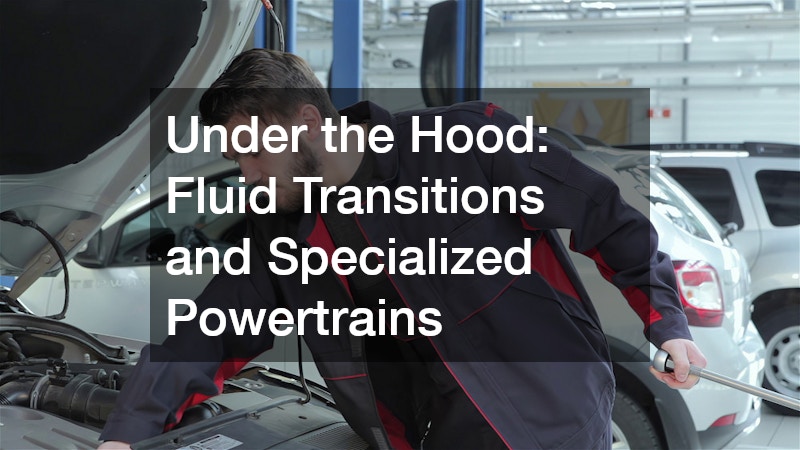
The powertrain of your vehicle relies on specialized liquids to reduce friction, dissipate extreme heat, and facilitate mechanical movement. The transmission, in particular, is an engineering marvel that uses hydraulic pressure to shift gears smoothly. Because it operates under intense pressure, even minor changes in fluid levels or chemical health can cause noticeable performance issues.
If you notice a distinct hesitation when shifting from Park into Drive or Reverse, or if the engine revs up unexpectedly before the transmission finally slips into the next gear, your transmission is likely struggling. Drivers often mistake these slips for engine issues, but they are classic signs of fluid breakdown or internal pressure loss. Checking your transmission dipstick, if your car has one, can give you immediate answers. The fluid should be a vibrant red or pink color with a neutral scent. If it appears dark brown, black, or smells like burnt toast, the fluid has lost its protective qualities and is actively cooking the internal clutches. Staying on top of every scheduled fluid change is the most effective way to prevent these issues. Fresh fluid removes suspended metal shavings and restores proper hydraulic pressure. Waiting until the vehicle stops shifting entirely usually means you are facing an incredibly expensive transmission repair that could have been avoided with simple, routine maintenance.
Maintaining High-Pressure Diesel Engines and Emission Systems
For owners of vehicles equipped with diesel powerplants, the warning signs and maintenance priorities look quite different than those of standard gasoline engines. High-pressure common-rail fuel systems and complex emissions equipment require strict oversight to maintain performance and efficiency.
Because diesel engines rely on extreme compression and heat to ignite fuel rather than a spark plug, component wear shows up as starting difficulties, especially during cold mornings. If your engine cranks excessively before firing, or if you notice a sudden drop in low-end towing torque, your fuel injectors or glow plugs may be failing. Additionally, keep an eye on your exhaust pipe. While older trucks were known for producing soot, modern clean-diesel vehicles should not emit visible smoke. If you see thick black smoke under acceleration, it means the fuel-to-air ratio is severely unbalanced, often caused by a leaking turbocharger pipe or a stuck exhaust gas recirculation valve. Furthermore, modern diesels rely on a particulate filter to trap soot, which must go through heat cycles to clean itself. Short trips around town prevent this filter from reaching the necessary temperatures, leading to severe blockages. When these specialized emission and fuel systems act up, seeking out technicians who specialize in diesel repairs is vital. They possess the specific diagnostic scanners and heavy-duty tools required to service these high-compression engines safely.
To keep a diesel powertrain running efficiently for hundreds of thousands of miles, adhere to these operational habits:
-
Avoid turning the engine off immediately after heavy towing; let it idle for two minutes to allow oil to cool down the turbocharger.
-
Drain your fuel-water separator regularly to prevent moisture from reaching and destroying the high-pressure fuel pump.
-
Ensure you use high-quality diesel exhaust fluid and never let the reservoir run completely dry.
Structural and Aesthetic Preservation: Beyond the Engine Bay

Preventing Windshield Chips from Spreading
Not all vehicle warnings come in the form of mechanical noises or engine stumbles. Some are completely structural and sit directly in your line of sight. Your windshield is a core structural element of your vehicle’s cabin roof support system, engineered to keep the passenger cabin intact during a rollover accident and to provide a backstop for airbag deployment.
When a rogue pebble flies off the back of a dump truck and leaves a tiny chip or star fracture in your glass, time is of the essence. A tiny chip might seem like a simple cosmetic nuisance, but it is a structural failure waiting to expand. Vehicles experience constant twisting forces as they drive over bumps, turn corners, and accelerate. Combine these physical stresses with thermal changes, like blasting the air conditioning on a scorching summer day or turning on the defroster during a freezing winter morning, and the glass will expand and contract rapidly. This thermal stress causes a tiny two-millimeter chip to spread into a massive crack across the entire glass panel, often in a matter of minutes. Getting in touch with a mobile windshield repair company early allows a technician to inject a specialized optical resin into the chip before it spreads. This process bonds the glass back together, restores its structural strength, and saves you from the much higher cost of a total windshield replacement.
Arresting Clear Coat Failure and Surface Corrosion
The exterior finish of your vehicle does far more than look good in your driveway. The layers of primer, color coat, and clear coat form a barrier designed to protect the underlying raw steel from the destructive forces of environment-driven oxidation.
The moment this barrier is compromised by deep rock chips, bird droppings left to bake in the sun, or minor parking lot scrapes, the clock begins ticking. Rust is a progressive condition; once moisture and oxygen reach raw steel, chemical oxidation begins eating away at the panel underneath the surrounding paint. This often shows up initially as tiny bubbles beneath the paint or a dull, chalky white appearance where the clear coat has completely failed. If you live in an area where road crews spread salt during the winter, or near a coastal environment with salty sea air, this corrosion accelerates dramatically. Taking your vehicle to an established auto painting shop allows professionals to sand away the localized corrosion, apply zinc-rich primers, and blend fresh paint perfectly to match the rest of your vehicle. Taking care of paint damage early stops rust from spreading to structural pillars or frame components where it can permanently ruin the car’s integrity.
Consider these protective strategies to preserve the body integrity of your car over time:
-
Wash the undercarriage of your vehicle thoroughly after driving on salted winter roads to remove hidden chemical deposits.
-
Apply a high-quality synthetic wax or ceramic sealant twice a year to create an additional sacrificial barrier against UV rays.
-
Inspect the rubber weather-stripping along doors and trunks to ensure water is draining away from metal body seams properly.
Strategic Logistics: Relocation and Managing Major Breakdowns

Preparing Your Car for Long-Distance Transportation
There are times when getting your car checked out is not triggered by a current failure, but rather by an upcoming event that will put unusual stress on the machine. Preparing to move across the country or purchasing a vehicle from a seller located halfway across the continent introduces complex logistical challenges.
When you plan to utilize professional car transportation services to move your vehicle, sending a car that has hidden issues onto a multi-car carrier can lead to major complications. Transport companies require vehicles to be operational so they can be driven up and down the ramps of the trailer during loading and unloading. A hidden fluid leak can drip onto other vehicles below, while a dying battery might leave your car stranded on the upper deck of a carrier, delaying the entire shipment and resulting in steep handling fees. Before handing over your keys to a transport provider, perform a rigorous operational review to ensure the vehicle can handle the transition smoothly.
Essential Pre-Transit Inspection Checklists
To guarantee that your vehicle survives a long-distance relocation without issue, follow this comprehensive preparation routine:
-
Bring your battery to a local parts store for a load test to ensure it holds a proper charge through varying temperature changes during transit.
-
Clean out all personal belongings from the cabin to keep the vehicle within the transport company’s weight limits and prevent theft.
-
Document the precise physical condition of the body panels with high-resolution photos taken in clear daylight before loading.
-
Leave the fuel tank at roughly one-quarter full to reduce unnecessary weight while keeping enough fuel for loading maneuvers.
-
Verify that your emergency brake holds firmly, as car haulers rely on it heavily to stabilize vehicles on the road.
Ultimately, owning a vehicle is an ongoing exercise in attentiveness and responsibility. The machines we rely on to take us to work, bring our children to school, and carry us on road trips are incredibly durable, but they are not invincible. They rely on us to pay attention to the subtle shifts in their operation and to respect the maintenance timelines set by the engineers who designed them.