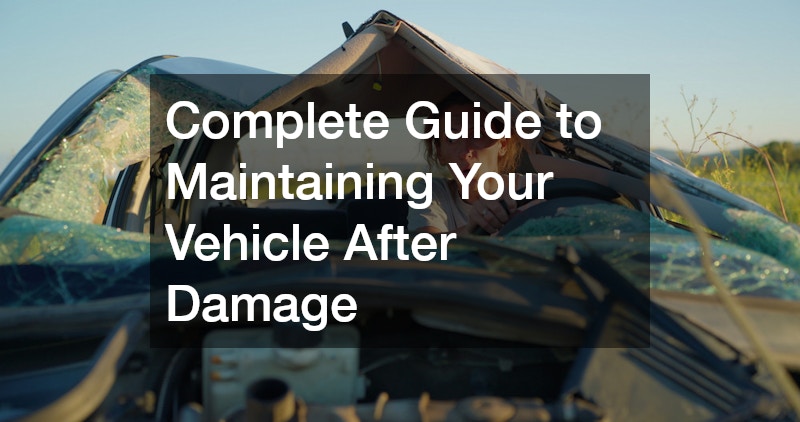
Get Back on the Road with Confidence After Vehicle Damage
Dealing with vehicle damage—whether from an accident, weather event, or everyday wear—can be overwhelming. Beyond the initial shock or inconvenience, there’s the challenge of figuring out what needs to be fixed, how to prioritize repairs, and how to ensure your vehicle remains safe and reliable long after the incident.
Many drivers make the mistake of focusing only on visible damage, such as dents or scratches, while overlooking deeper mechanical or structural issues. However, proper post-damage maintenance goes far beyond surface-level fixes. It requires a step-by-step approach that addresses safety, performance, and long-term durability.
This guide will walk you through everything you need to know about maintaining your vehicle after damage. From initial inspections and repair decisions to ongoing care and protection, you’ll learn how to restore your vehicle properly and avoid costly mistakes down the line.
Assess the Full Extent of Vehicle Damage Immediately
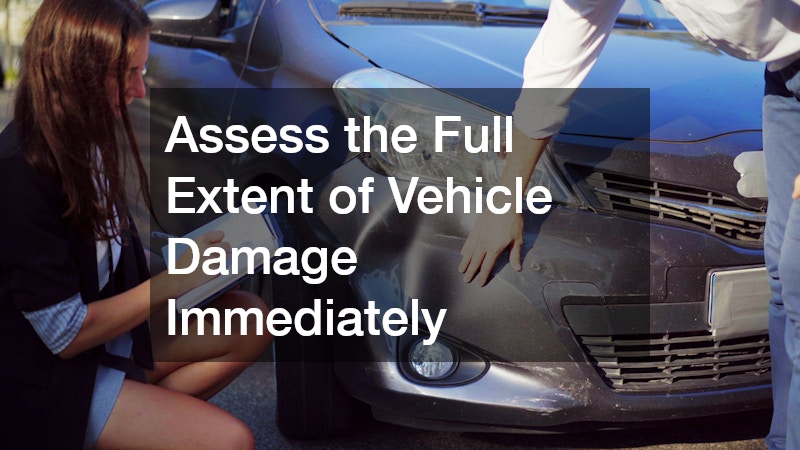
After any incident, your first priority should be understanding exactly what happened to your vehicle. While visible damage like dents, broken lights, or scratches may seem obvious, underlying issues are often less apparent. This is especially true after impacts that require car collision repair, where internal components may have shifted or weakened without showing immediate signs.
Start with a careful visual inspection. Walk around your vehicle and look for uneven panels, fluid leaks, or tire misalignment. Open the hood and check for anything out of place, such as loose components or damaged hoses. Inside the vehicle, pay attention to warning lights on the dashboard or unusual smells, which could indicate deeper problems.
However, a visual check is only the beginning. Many types of damage—especially structural or mechanical—require professional evaluation. Even a minor accident can affect alignment, suspension, or braking systems. Getting a comprehensive inspection ensures that nothing is overlooked and gives you a clear picture of what needs to be addressed.
Documenting the damage is also important. Take clear photos and notes, as these will be useful when working with repair professionals or filing claims. By thoroughly assessing the situation early, you set the stage for a smoother and more effective repair process.
Contact Your Insurance Provider and Understand Coverage
Once you’ve assessed the damage, the next step is to contact your automotive insurance provider. Filing a claim promptly helps ensure that your repairs can begin without unnecessary delays. It’s important to provide accurate and detailed information about the incident, including photos, descriptions, and any supporting documentation you’ve gathered.
Understanding your policy is crucial during this process. Different plans cover different types of damage, and knowing your deductible, coverage limits, and repair options can help you make informed decisions. For example, some policies allow you to choose your repair shop, while others may recommend preferred providers.
Communication is key. Stay in regular contact with your insurance representative and ask questions if anything is unclear. This can help prevent misunderstandings and ensure that your claim is processed efficiently. It’s also helpful to keep records of all communications, including emails and phone calls.
By taking the time to fully understand your coverage and responsibilities, you can avoid surprises and ensure that your vehicle is repaired properly without unnecessary financial strain.
Choose a Reliable Repair Shop You Can Trust

Selecting the right repair facility is one of the most important decisions you’ll make after your vehicle is damaged. A reputable auto body shop can make the difference between a high-quality restoration and ongoing issues that affect your car’s performance and value.
Look for a shop with experienced staff, including a certified auto body technician who has the skills to handle complex repairs. Certifications, reviews, and recommendations from trusted sources can help you narrow down your options. Visiting the shop in person can also give you a sense of their professionalism and attention to detail.
Ask questions about their process, timelines, and warranties. A reliable shop should be transparent about what needs to be done and how long it will take. They should also be willing to explain repairs in a way that’s easy to understand.
Choosing a trusted repair facility ensures that your vehicle is restored to its original condition—or as close as possible. It also provides peace of mind, knowing that the work is being done correctly and safely.
Prioritize Structural and Safety-Related Repairs First
Not all damage is created equal. While cosmetic issues may be frustrating, structural and safety-related problems should always take priority. After an accident requiring car collision repair, the frame of your vehicle may be compromised, affecting everything from alignment to overall stability.
One critical area to evaluate is the suspension system. Damage to this system often requires suspension repair, as it plays a key role in how your vehicle handles and absorbs shocks. Signs of suspension issues include uneven tire wear, difficulty steering, or a rough ride.
Ignoring structural damage can lead to serious safety risks. Even if your car appears drivable, hidden issues can worsen over time and result in costly repairs or dangerous driving conditions. Addressing these problems early ensures that your vehicle remains safe and reliable.
By focusing on structural and safety-related repairs first, you create a solid foundation for the rest of your restoration process.
Restore Essential Driving Systems Before Cosmetic Fixes
Once structural issues are addressed, the next step is to ensure that your vehicle’s essential systems are functioning properly. This includes braking, steering, and tire performance—components that directly impact your safety on the road.
Brake repairs should be a top priority, as damaged or worn braking systems can significantly increase stopping distance and reduce control. After an accident, even minor impacts can affect brake alignment or fluid levels, making a thorough inspection essential.
In addition, tire services are crucial for maintaining proper traction and handling. Tires may appear fine at first glance, but impacts can cause internal damage or misalignment. Ensuring that your tires are balanced, properly inflated, and free from defects helps prevent further issues.
While cosmetic repairs can improve the appearance of your vehicle, they should come after these critical systems are restored. Prioritizing functionality ensures that your car is safe to drive and performs as expected.
Schedule Comprehensive Mechanical Inspections
Even after visible and structural repairs are completed, it’s important to conduct a full mechanical evaluation. Hidden issues can develop over time, especially if they weren’t immediately apparent after the initial damage.
Working with a trusted auto repair service allows you to identify potential problems early. Mechanics can perform diagnostic tests to check engine performance, transmission function, and other key systems. This level of inspection ensures that your vehicle is operating at its best.
In addition to addressing immediate concerns, regular car repairs and maintenance help prevent future breakdowns. Keeping detailed records of all inspections and repairs can also be beneficial for resale value and future servicing.
A comprehensive mechanical approach ensures that your vehicle remains reliable and safe long after the initial repairs are completed.
Follow a Post-Repair Maintenance Plan for Longevity
Once your vehicle has been repaired, the work doesn’t stop there. Ongoing maintenance is essential to preserve the quality of those repairs and ensure your vehicle continues to perform safely and efficiently. Many post-repair issues don’t show up immediately, which is why having a structured maintenance plan in place is so important. It allows you to monitor your vehicle over time and catch small concerns before they develop into larger, more expensive problems.
Continuing with a reliable auto repair service gives you access to professionals who are already familiar with your vehicle’s repair history. This consistency helps ensure that any follow-up inspections are thorough and tailored to the specific work that was completed. Routine maintenance tasks—such as oil changes, fluid top-offs, alignment checks, and system diagnostics—should be scheduled at regular intervals to keep all components functioning properly.
It’s also important to stay aware of how your vehicle behaves during daily use. Pay close attention to any unusual sounds, vibrations, or changes in handling, braking, or acceleration. Even subtle differences can indicate underlying issues that need attention. Addressing these early not only prevents further damage but also helps maintain the integrity of the original repairs.
Keeping a maintenance log is another smart step. Documenting services, inspections, and any concerns creates a clear record that can be useful for both ongoing care and future resale value. By staying proactive and consistent, you protect your investment and significantly extend the lifespan of your vehicle.
Protect Your Vehicle’s Exterior After Repairs
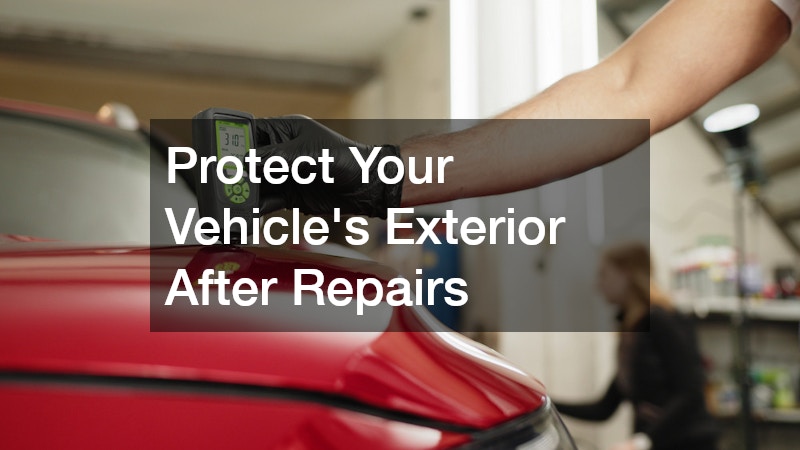
After investing in repairs, it’s important to protect your vehicle’s exterior from future damage. Environmental factors such as UV rays, dirt, and moisture can quickly degrade paint and finishes if left unprotected.
Applying ceramic coating is an effective way to preserve your vehicle’s appearance. This protective layer helps resist scratches, fading, and contaminants, keeping your car looking newer for longer. It also makes cleaning easier by preventing dirt and grime from sticking to the surface.
In addition to coatings, regular washing and waxing can further protect your vehicle. Parking in shaded or covered areas also helps reduce exposure to harsh conditions.
Taking these steps ensures that your vehicle not only performs well but also maintains its visual appeal over time.
Understand Warranties and Guarantees on Repair Work
When your vehicle undergoes repairs, it’s important to understand what protections are in place. Many shops offer warranties on their work, covering both parts and labor for a specified period.
A reputable auto body shop should clearly explain the terms of their warranty, including what is covered and how long it lasts. This information provides peace of mind and ensures that you’re protected if issues arise after the repair.
Keep all documentation related to your repairs, including invoices and warranty details. These records can be valuable if you need follow-up work or if you decide to sell your vehicle in the future.
Understanding your warranty ensures that you get the most value from your repairs and helps you address any concerns quickly and effectively.
Avoid Common Mistakes That Lead to Future Damage
Maintaining your vehicle after damage isn’t just about completing repairs—it’s also about avoiding the habits and oversights that can quietly lead to bigger problems over time. One of the most common mistakes drivers make is ignoring early warning signs. Unusual noises, vibrations, pulling to one side, or changes in braking response are all indicators that something may not be functioning properly. Dismissing these symptoms can allow minor issues to develop into major, more expensive repairs.
For example, neglecting suspension repair needs can have a ripple effect across your vehicle. A compromised suspension system can cause uneven tire wear, reduce handling stability, and place additional strain on steering and braking components. Over time, this not only impacts safety but also increases overall repair costs. Addressing suspension concerns early helps preserve the performance and balance of your vehicle.
Another frequent mistake is skipping follow-up inspections after initial repairs. Even if your car seems to be running well, components that were previously damaged may shift or wear differently over time. Scheduling periodic checkups ensures everything remains aligned and functioning as intended.
Driving habits also play a significant role in long-term vehicle health. Aggressive acceleration, hard braking, and rough driving conditions can accelerate wear on repaired parts. By adopting smoother driving practices and staying consistent with maintenance, you reduce stress on your vehicle and extend its lifespan.
Maintain Vehicle Value After an Accident

Accidents can impact your vehicle’s resale value, but proper care and documentation can help minimize depreciation. Keeping detailed records of all repairs and maintenance demonstrates that your vehicle has been well cared for.
Working with your automotive insurance provider to ensure proper documentation of repairs can also be beneficial. This helps verify that all work was completed professionally and according to standards.
Maintaining your vehicle’s condition, both mechanically and cosmetically, plays a key role in preserving its value. Regular cleaning, inspections, and timely repairs all contribute to a positive impression for potential buyers.
By taking a proactive approach, you can protect your investment and maintain your vehicle’s value over time.
Keep Your Vehicle Reliable with Ongoing Care and Attention
Maintaining your vehicle after damage requires more than just fixing what’s broken—it’s about creating a long-term plan for reliability and performance. By addressing issues thoroughly, prioritizing safety, and staying consistent with maintenance, you can ensure that your vehicle remains dependable for years to come.
Every step you take, from inspections to repairs and ongoing care, contributes to a safer and more enjoyable driving experience. With the right approach, you can move forward with confidence, knowing your vehicle is in excellent condition and ready for the road ahead.