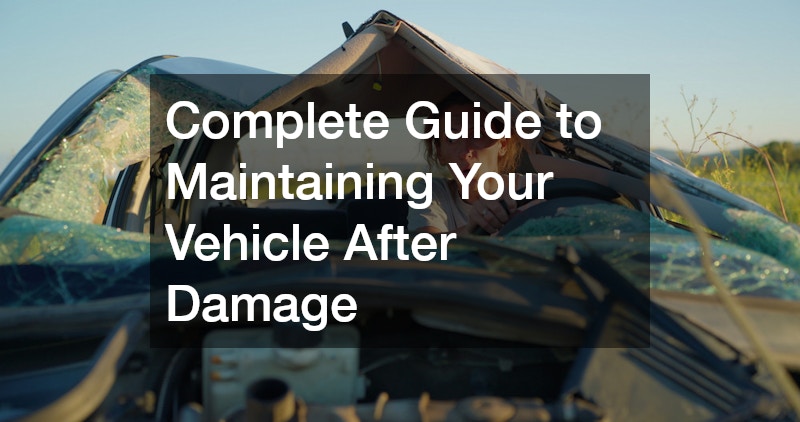
The jarring reality of a major vehicular crash is something no driver is ever truly prepared to experience. In a fraction of a second, your normal daily routine is completely disrupted by the screech of brakes, the deployment of airbags, and the terrifying crunch of metal. The immediate aftermath leaves you in a state of profound emotional and physical shock. Adrenaline floods your system, making it incredibly difficult to think clearly, assess the damage, or figure out what your very first step should be. It is entirely normal to feel overwhelmed and disoriented as you stand on the side of the road watching traffic bypass the scene of your accident.
However, while the moments following a heavy impact are undeniably chaotic, regaining a sense of control is entirely possible. By following a structured, step-by-step recovery process, you can protect your physical safety, safeguard your personal finances, and ensure your vehicle is meticulously restored. This comprehensive guide will walk you through exactly what needs to happen from the minute the dust settles to the day you finally drive your restored vehicle back home. We will cover critical scene management, the logistics of keeping your life moving, deep mechanical triage, exterior aesthetics, and long-term vehicle protection. Adhering to these practical steps will transform an overwhelming catastrophe into a manageable checklist, empowering you to navigate the long road to recovery with absolute confidence and clarity.
Secure the Scene and Document Every Detail

When the vehicles finally come to a complete stop, your very first priority must be safety. If your vehicle is still operable and you are in a high-traffic zone, attempt to move to the shoulder or a nearby parking lot to prevent secondary collisions. Immediately activate your hazard lights to warn oncoming traffic. Before checking on the structural damage to the vehicles, assess yourself and your passengers for injuries. Adrenaline can easily mask the pain of whiplash, concussions, or internal trauma, so err on the side of caution and call 911 immediately to dispatch both medical personnel and law enforcement to the scene.
Even if the other driver seems cooperative and readily admits fault, you must always wait for the police to arrive and file an official report. An official police narrative acts as an objective, third-party record of the event. Without this document, the other driver could easily change their story days later, turning a straightforward situation into a stressful “he-said, she-said” dispute. While waiting for the authorities, begin gathering your own evidence if it is physically safe to do so. Take wide-angle photographs that capture the entire intersection, the position of the vehicles, weather conditions, and any relevant traffic signs. Follow this up with close-up shots of the damage to both vehicles, shattered glass, and skid marks on the pavement.
Simultaneously, exchange pertinent information with the other driver. You need their full name, contact information, driver’s license number, and license plate number. Gather contact details from any bystanders who witnessed the crash, as their statements can be invaluable. Collecting this comprehensive body of evidence right there at the scene is the single most effective way to ensure your auto insurance claim goes smoothly without agonizing delays or frustrating disputes down the line. A thoroughly documented scene leaves little room for ambiguity, paving the way for a much faster resolution.
Keep Your Daily Life Moving Without Missing a Beat
Once the police have cleared the scene and the tow truck has arrived to take your heavily damaged vehicle away, the immediate crisis subsides, but the logistical nightmare begins. Transportation triage becomes your next major hurdle. Your daily obligations—commuting to the office, dropping the kids off at school, picking up groceries—do not hit pause just because your primary mode of transportation is sitting in a salvage yard awaiting an adjuster’s inspection. Establishing a temporary routine is vital for maintaining your peace of mind and keeping your household functioning.
Your first step is to carefully review your policy limits and quickly secure a car rental so you can still commute to work and manage your family obligations without skipping a beat. Many policies have specific daily limits or maximum total coverage amounts for temporary transportation, so you must communicate clearly with your adjuster to understand exactly what class of vehicle you are authorized to book. Getting temporary wheels secured within the first twenty-four hours alleviates a massive amount of stress and allows you to focus on the longer-term recovery steps without feeling stranded.
As you navigate this transitional period, meticulous expense tracking is absolutely paramount. It is highly likely that you will incur out-of-pocket costs before your temporary transportation is fully finalized or your claim is processed. You must keep every single receipt for rideshare services, initial towing fees, impound lot storage charges, and any public transit tickets. Create a dedicated physical folder and a digital backup for these documents, as these specific expenses are often reimbursable during the final claims process. Staying highly organized with your receipts ensures you will not be left absorbing the financial shock of someone else’s mistake.
Test the Drivetrain and Engine for Hidden Stress
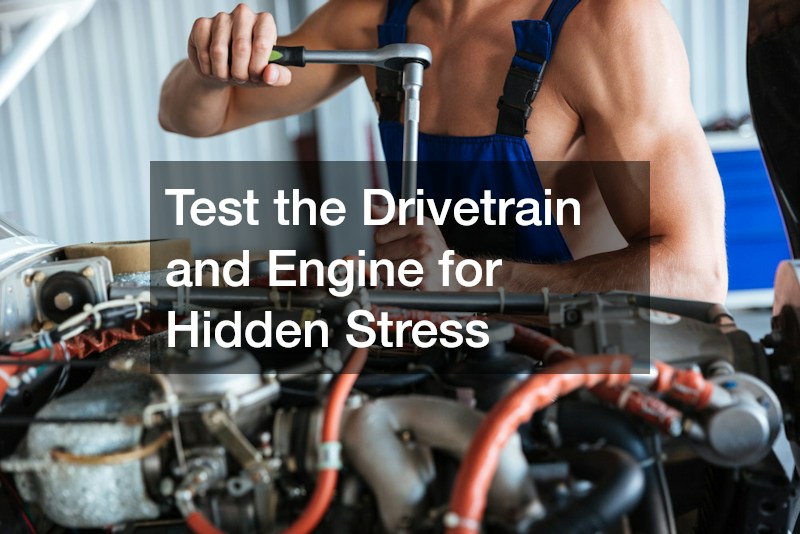
It is a common misconception that if a vehicle’s exterior looks somewhat intact after a crash, the internal components are fine. In reality, the kinetic energy from a major impact travels deep beneath the surface, often pushing the engine block out of alignment, warping the radiator, or cracking essential fluid reservoirs. Modern vehicles are engineered with crumple zones designed to absorb impact by intentionally bending and transferring force. While this saves lives, it means a bumper collision can easily send shockwaves through the transmission, exhaust system, and engine mounts.
Because this internal stress is completely invisible to the naked eye, you cannot rely solely on a quick visual walk-around. You need a highly experienced mechanic to put the vehicle on a heavy-duty lift and perform a deep diagnostic scan of the onboard computer and the entire drivetrain. These diagnostic professionals will hook the vehicle up to an OBD2 scanner to check for hidden sensor failures, inspect the serpentine belt for tension issues caused by the impact, and closely examine the engine mounts for micro-fractures. They will also pressure-test the cooling system to ensure the radiator and its hoses have not sustained hairline cracks that could lead to catastrophic engine overheating later on.
Once the diagnostic phase is complete, you will be presented with a comprehensive estimate. It is crucial to review this document carefully and advocate for your vehicle’s longevity. Prioritize essential safety fixes over minor aesthetic repairs under the hood. Furthermore, you must ensure all internal car repairs use high-quality OEM parts or strictly certified aftermarket alternatives. Cutting corners with cheap, unverified internal parts to save the adjuster money can lead to chronic mechanical failures, sensor glitches, and decreased performance, essentially ruining the vehicle’s long-term reliability.
Inspect the Undercarriage and Wheel Assemblies
While the engine and drivetrain require deep technical auditing, the vehicle’s connection to the road demands equally rigorous scrutiny. The undercarriage and wheel assemblies absorb a massive amount of trauma during a crash, particularly if the vehicle was pushed sideways, forced over a curb, or sent skidding into road debris. The violent force of a crash can easily bend heavy-duty steel axles, damage sensitive tie rods, or knock the vehicle violently out of alignment. If suspension geometry is compromised even by a fraction of an inch, the vehicle will handle unpredictably, posing a severe safety hazard at highway speeds.
Beyond the suspension components, the rubber and rims themselves must be meticulously inspected. The impact can easily pinch the rubber against the rim, compromising the internal steel belts of the wheel. It is imperative to inspect your tires for impact bulges, sidewall slashes, missing chunks of tread, or rim bends. An unbalanced or bent rim will cause violent steering wheel vibrations, while a compromised sidewall is a ticking time bomb that can easily result in a catastrophic high-speed blowout weeks after the initial accident.
When dealing with wheel damage, you and your technicians must draw a hard line between what can be salvaged and what must be discarded. There are strict industry guidelines dictating when a simple tire repair is safe to perform versus when you absolutely need to purchase complete replacements. A small puncture in the center tread from debris at the crash scene might be patchable, but any damage to the shoulder or sidewall means the structural integrity of the rubber is permanently destroyed. Never compromise on wheel assembly safety; if there is any doubt about the structural integrity of the rubber or the rim, insist on full replacement.
Restore the Frame and Aesthetics
Once the mechanical and structural components beneath the vehicle are secured and functional, the focus shifts to the exterior. A major collision almost always compromises the vehicle’s frame. If a unibody frame is bent, the entire structural integrity of the cabin is weakened, meaning the car will not protect you adequately in the event of a second crash. Therefore, laser frame measuring and straightening is a strictly non-negotiable step after a heavy impact. High-tech laser systems measure the chassis down to the millimeter, allowing technicians to pull the metal back to its exact factory specifications, ensuring the car is structurally sound and safe to operate.
Finding a facility capable of executing this level of precision requires diligent research. You must look out for red flags, such as shops that refuse to provide written warranties, and seek out green flags, like specialized certifications and transparent communication. Choosing a highly reputable collision shop that guarantees their workmanship ensures that you are leaving your vehicle in the hands of technicians who understand the complex metallurgy and structural requirements of modern vehicles. A quality facility will not simply hammer out dents; they will remove compromised panels, check the underlying support pillars, and rebuild the exterior from the inside out.
After the frame is straightened and new panels are seamlessly integrated, the meticulous process of paint and panel perfection begins. Modern automotive painting is a highly complex chemical process requiring exact color-matching technology to account for the age and sun-fading of your specific vehicle. High-quality auto body service ensures the newly painted panels fade at the exact same rate as the rest of the car, preserving the vehicle’s factory appearance and, consequently, its long-term resale value. The final result should be an exterior finish so flawless that it is entirely impossible to tell the vehicle was ever involved in an accident.
Shield Your Fresh Clear Coat from Future Elements
When you finally receive the call that the structural pulling, panel replacement, and painting processes are complete, it is easy to assume the journey is over. However, your vehicle is actually in a highly vulnerable state. Fresh paint, even after being baked in a professional curing booth, takes time to fully outgas and settle. The newly installed panels and the fresh clear coat need a dedicated protective barrier against harsh environmental elements like fading ultraviolet rays, acidic bird droppings, tree sap, and corrosive road salt. Without immediate protection, that flawless new finish can quickly degrade, fade, or become etched by environmental contaminants.
To safeguard the massive investment of time and money that went into restoring the exterior, you should seriously consider long-term protection strategies. One of the most effective methods is applying a ceramic coating over the freshly cured paint to give the vehicle a hardened, hydrophobic layer of protection. This liquid polymer chemically bonds with the factory clear coat, creating a rigid shield that repels water, dirt, and grime, making the vehicle incredibly easy to clean while maintaining a permanent, mirror-like gloss that traditional waxes simply cannot match.
Protecting your newly restored vehicle is not a one-time event; it is an ongoing commitment to quality maintenance. It pays massive dividends to build a long-term relationship with highly rated auto shops for your future detailing, paint correction, and routine maintenance needs. By relying on trusted professionals who understand the specific history and repair journey of your vehicle, you ensure that the restored exterior and the repaired mechanical components stay in pristine condition for years to come.
Moving Forward With Confidence

The journey from the chaotic, adrenaline-fueled moments on the side of the highway to getting back behind the wheel of a beautifully restored vehicle is undeniably long and complex. It requires immense patience, meticulous organization, and a willingness to advocate fiercely for yourself and your safety. Dealing with insurance adjusters, managing alternative transportation, and deciphering complex mechanical jargon can test anyone’s resilience. However, by breaking the recovery process down into manageable, logical phases, you take control of a situation that initially felt entirely uncontrollable.
Remember that no one cares about the safety and longevity of your vehicle more than you do. Do not hesitate to ask tough questions, demand transparent answers from technicians, and push back if you feel that essential repairs are being rushed or compromised to save money. Save this guide as a foundational reference, bookmark local emergency contacts, and never settle for subpar restoration work. By prioritizing safety, thorough diagnostics, and uncompromising repair standards, you can close this stressful chapter of your life and return to the open road with complete peace of mind.