Key takeaways
- Rust starts when bare metal meets water and oxygen, and road salt, sea air, and trapped dirt make it spread faster.
- Rust has three stages: surface, scale, and penetrating. The stage tells you whether to DIY or call a pro.
- Check wheel wells, rocker panels, door bottoms, window seals, and the underside with a flashlight every few months.
- Surface rust smaller than your palm on doors, fenders, or the hood is a good DIY job, using about $50 to $150 in supplies.
- For a lasting repair, sand down to shiny metal, then apply thin coats of primer, color-matched paint, and clear coat, letting each dry fully.
- Holes, crumbly metal, or any rust on the frame, floor pans, suspension, or brake lines should go to a certified body shop.
- Prevent rust by washing often, including underneath, waxing a few times a year, and touching up paint chips right away.
A small orange spot on your car’s paint might not seem like a big deal. But rust is one of those problems that never stays small for long. Left alone, it can eat through metal panels, weaken your car’s frame, and cut its resale value by hundreds or even thousands of dollars.
The good news is that you can fix a lot of rust yourself if you catch it early. With some sandpaper, primer, and paint, a weekend project can stop surface rust in its tracks. Other rust, though, goes deeper than a DIY job can safely handle and needs a trained technician.
In this guide, you’ll learn what causes rust, how to tell how bad it is, and how to repair minor spots step by step. You’ll also learn when it’s time to put down the sandpaper and call a body shop, plus how to keep rust from coming back.
1. What Causes Rust on a Car?
Rust forms when iron or steel meets oxygen and water. This chemical reaction is called oxidation, and it slowly turns strong metal into flaky, brittle iron oxide. Your car’s paint and clear coat act as a shield. Once that shield is chipped or scratched, moisture can reach the bare metal underneath.
Some conditions speed up rust a lot. Road salt used in snowy states is one of the worst offenders, since salt water helps the reaction happen faster. Cars in coastal areas face the same problem from salty sea air. Mud, wet leaves, and dirt trapped in wheel wells and under the car also hold moisture against the metal for long periods.
Rust also spreads under the paint. What looks like a tiny bubble on the surface often means the damage underneath is wider than you can see. That’s why fixing rust early saves both time and money.
- Rust forms when bare metal is exposed to water and oxygen.
- Road salt, sea air, and trapped dirt make rust form much faster.
- Rust often spreads under the paint before you notice it.
2. Know the Three Stages of Rust
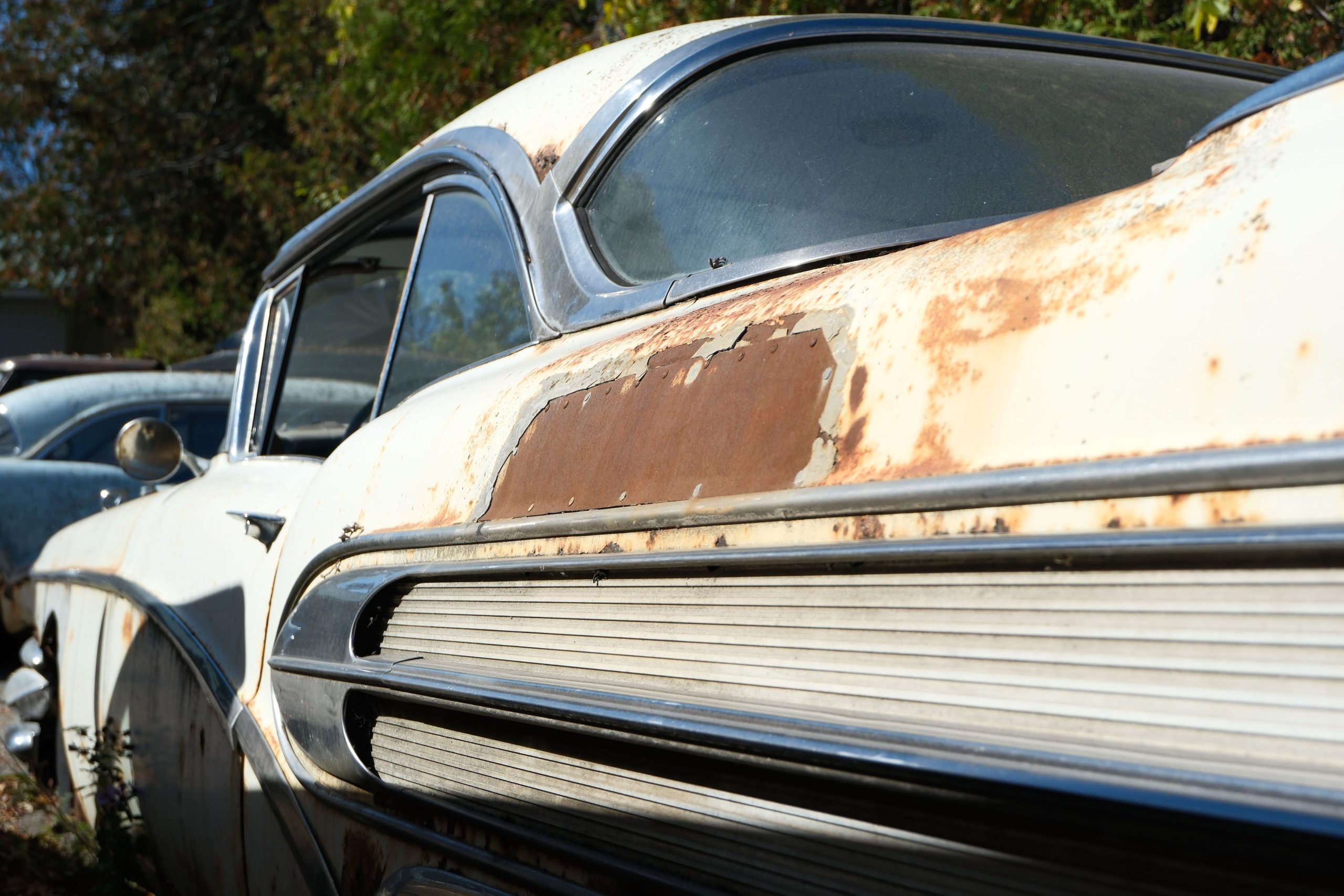
Not all rust is the same. Mechanics usually sort it into three stages, and knowing which one you have is the key to deciding between DIY and a pro.
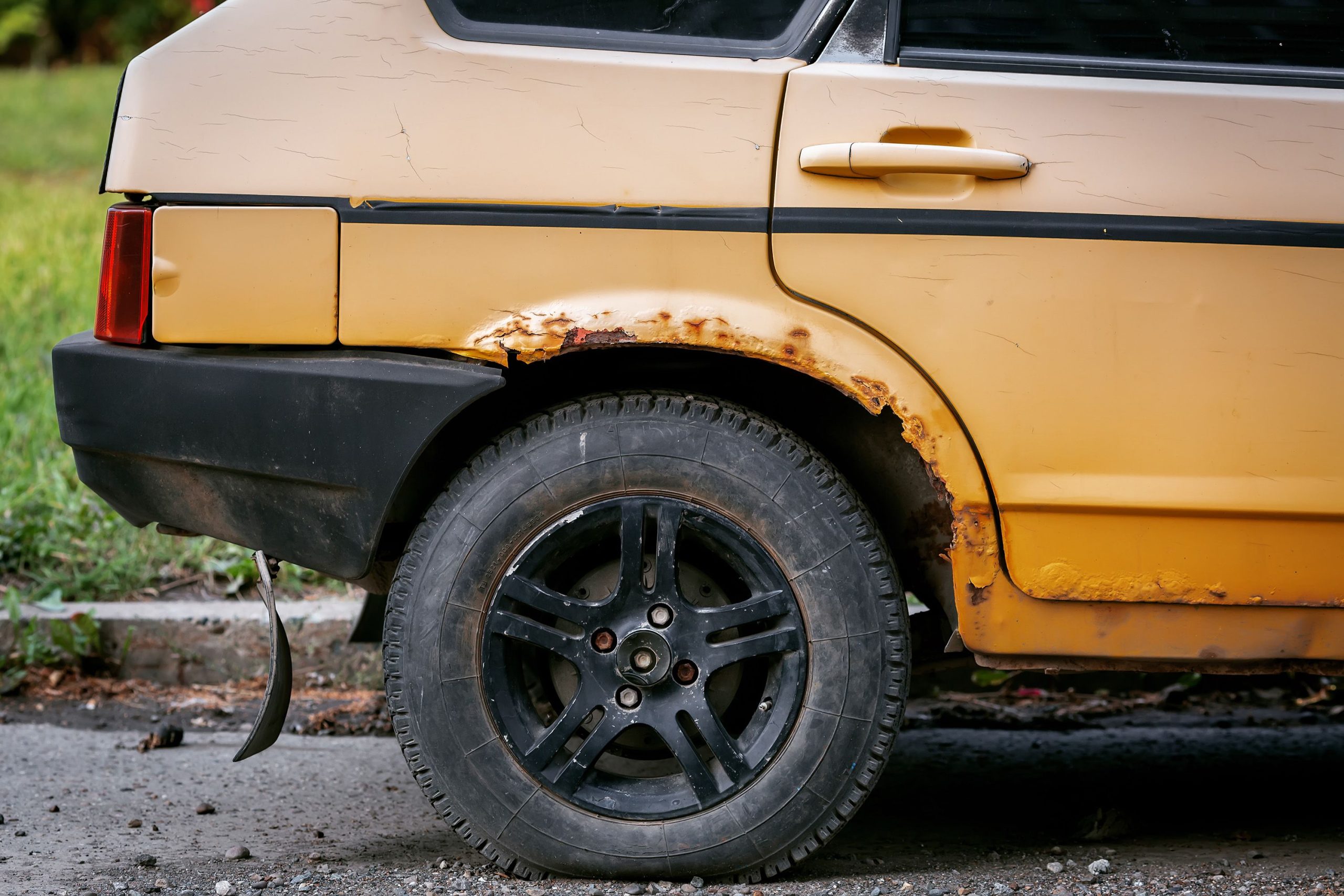
Surface rust is the first stage. It shows up as light orange or brown spots, often around paint chips or scratches. The metal is still solid, and the rust has only affected the top layer. Scale rust is the second stage. The metal starts to bubble, flake, and pit as rust digs deeper. You may see paint lifting in blisters around the spot.
Penetrating rust is the final stage. At this point, the rust has eaten all the way through the metal, leaving holes or very thin, crumbly areas. You can often poke a screwdriver right through it. This kind of damage can’t be sanded away, because the metal itself is gone.
- Surface rust affects only the top layer and is the easiest to fix.
- Scale rust causes bubbling and pitting and takes more work to remove.
- Penetrating rust leaves holes and usually means the metal must be replaced.
3. Where to Check Your Car for Rust
Rust likes to hide in places you don’t look at every day. Set aside 15 minutes every few months, grab a flashlight, and walk around your car slowly. The best time to check is right after a wash, when dirt isn’t covering any spots.
Start with the wheel wells and the lower edges of the doors, since they catch the most water and road spray. Next, check the rocker panels, which run along the bottom of the car below the doors. Then look at the trunk lid, the edges of the hood, and around the windshield and rear window. Rubber seals in these areas can trap water for days.
Don’t forget the underside. Look at the floor pans, the frame rails, the exhaust system, and the brake lines. Rust in these areas is easy to miss, but it often matters the most for safety.
- Inspect your car with a flashlight every few months, ideally after a wash.
- Focus on wheel wells, rocker panels, door bottoms, and window seals.
- Always check the underside, including the frame and brake lines.
4. When DIY Rust Repair Makes Sense
DIY repair works best for surface rust and small patches of light scale rust. A good rule of thumb is that if the spot is smaller than the palm of your hand and the metal feels solid when you press on it, you can probably handle it at home.
Location matters too. Rust on a door, fender, hood, or trunk lid is cosmetic, meaning it affects looks more than safety. These are great spots to practice on. You’ll also want a dry, shaded place to work, like a garage or carport, with temperatures between about 50°F and 90°F so primer and paint cure properly.
Finally, be honest about your time and patience. A careful repair usually takes a full day or a weekend, mostly because you need to wait for each coat to dry. Rushing is the most common reason DIY rust repairs fail.
- DIY is a good fit for surface rust smaller than the palm of your hand.
- Cosmetic areas like doors and fenders are the safest spots to repair yourself.
- Plan for a full day and a dry, sheltered workspace.
5. Gather the Right Tools and Supplies
You don’t need a professional shop to fix small rust spots, but having the right supplies makes a big difference. Most items are available at any auto parts store for a total of about $50 to $150.
For removing rust, you’ll want sandpaper in several grits (80, 180, 320, and 600), a wire brush, and a sanding block. A rotary tool or drill with a wire wheel speeds things up on larger spots. You’ll also need wax and grease remover, masking tape, and masking paper to protect the paint around the repair.
For finishing, pick up a rust converter or rust-inhibiting primer, a small amount of body filler if there’s pitting, automotive primer, color-matched touch-up paint, and clear coat. Find your car’s paint code on the sticker inside the driver’s door jamb so the color matches. Don’t skip safety gear: gloves, safety glasses, and a dust mask or respirator.
- Expect to spend about $50 to $150 on supplies for a small repair.
- Use your car’s paint code to get an exact color match.
- Always wear gloves, eye protection, and a respirator.
6. Step-by-Step Surface Rust Repair
Start by washing the area with soap and water, then wipe it with wax and grease remover. Mask off a wide border around the spot so you don’t scratch good paint. Next, sand away all the rust with 80-grit sandpaper or a wire wheel until you see shiny, bare metal. Sand an extra inch past the rust, since it may have spread under the paint.
Smooth the edges with 180-grit paper so the old paint blends into the bare spot. Wipe the area clean again. If small pits remain, apply a rust converter, which turns leftover rust into a stable coating. Fill any dents or pits with a thin layer of body filler, let it harden, and sand it smooth.
Now apply two or three light coats of primer, letting each dry as the label directs. Wet-sand with 320 or 600 grit, then spray thin coats of color paint. Finish with two coats of clear coat. Wait at least a week before waxing so the paint can fully cure.
- Sand until you reach clean, shiny metal, plus an extra inch around it.
- Use rust converter and filler for any pitting that remains.
- Apply thin coats of primer, paint, and clear coat, and let each dry fully.
7. When to See a Body Shop
Some rust is simply too serious for a driveway fix. Knowing the signs your car needs professional inspection can protect both your wallet and your safety. If you see holes, can push a screwdriver through the metal, or notice large areas of bubbling paint, the damage has likely gone too deep for sandpaper and primer.
Rust on structural parts is always a job for a pro. This includes the frame, subframe, floor pans, suspension mounts, and brake lines. These parts hold your car together and keep it safe in a crash. A weak frame can fail an inspection, and rusted brake lines can burst without warning. Other warning signs include a soft or spongy brake pedal, new rattles from underneath, or water leaking into the cabin.
A body shop can cut out the damaged metal and weld in new patch panels. Shops also have paint booths that give a smoother, longer-lasting finish than spray cans.
- Holes, crumbly metal, or wide bubbling mean it’s time for a professional.
- Never DIY rust on the frame, floor pans, suspension, or brake lines.
- Body shops can weld in new metal and use paint booths for a lasting finish.
8. Comparing the Cost of DIY and Professional Repair
Cost is often the biggest factor in this decision. A DIY repair on a small spot usually costs $50 to $150 in supplies, and many of those tools can be reused for future jobs. The main cost is your time.
Professional prices vary by region and by how bad the damage is, so treat these as rough ranges. A body shop may charge around $150 to $500 to fix a small patch of surface rust. Cutting out rusted metal and welding in a new panel often runs $500 to $2,500. Serious frame rust can cost several thousand dollars, and in some cases the repair costs more than the car is worth.
Weigh the repair against your car’s value and how long you plan to keep it. Spending a few hundred dollars now can prevent a much bigger bill later and help you get more money when you sell or trade in.
- DIY supplies for a small spot cost about $50 to $150.
- Professional repairs range from a few hundred to several thousand dollars.
- Compare the repair cost with your car’s value before deciding.
9. How to Choose a Good Body Shop
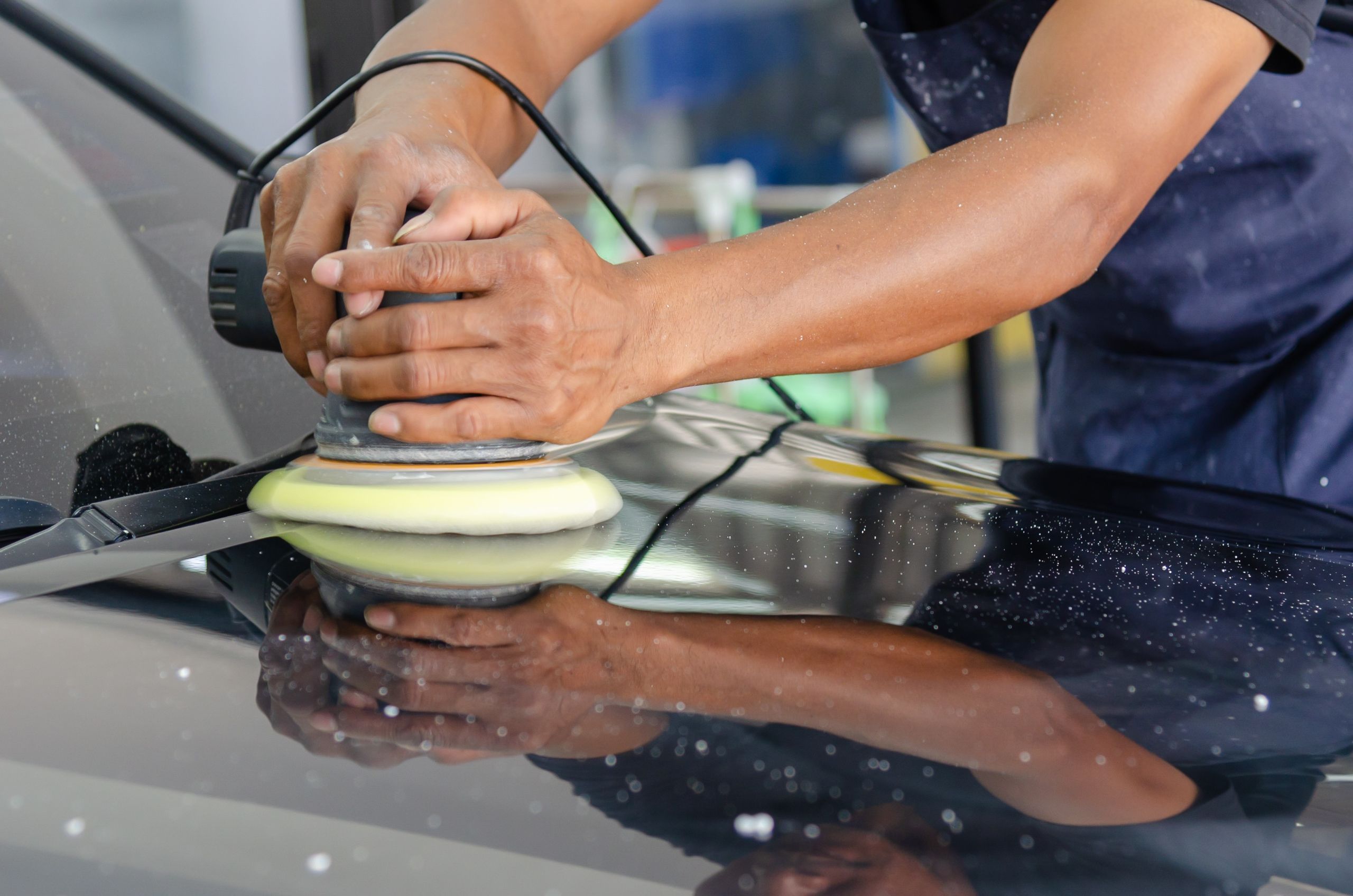
Not every body shop does rust repair well, so it pays to shop around. Get written estimates from at least two or three shops. Ask each one how they plan to fix the rust. A good shop will explain whether they’ll cut out and replace the metal or just sand and fill it, and why.
Look for technicians with I-CAR or ASE certification, which show they’ve been trained in modern repair methods. Read recent online reviews, and ask friends or family who they trust. Pay attention to how the shop is run, too. Strong local automotive business management usually shows in the little things: clear estimates, realistic timelines, quick replies to your questions, and a clean, organized workspace.
Finally, ask about warranties. Many quality shops offer a written warranty on rust repair and paint work, sometimes for as long as you own the car. Be wary of any shop that gives a price far below the others without explaining why.
- Get written estimates from two or three shops and compare repair methods.
- Look for I-CAR or ASE certified technicians and solid reviews.
- Choose a shop that offers a written warranty on rust and paint work.
10. How to Keep Rust From Coming Back
The best rust repair is the one you never have to make. Wash your car every two weeks, and more often in winter if you live where roads are salted. Choose a car wash with an underbody spray, or rinse under the car yourself with a hose to remove salt and mud.
Wax your car two to four times a year to add an extra layer of protection over the paint. Touch up chips and scratches as soon as you spot them, using the same paint code from your door jamb. Keep drain holes at the bottom of doors and around the trunk clear of leaves and dirt so water can escape.
If you drive in snowy or coastal areas, think about a yearly undercoating or oil-based rust-proofing spray. Parking in a garage or under a carport also helps by keeping your car dry and out of the weather.
- Wash your car often, including the underside, especially in winter.
- Wax a few times a year and touch up paint chips right away.
- Consider undercoating if you live in a snowy or coastal area.
Conclusion
Rust is a slow problem, but it never stops on its own. The sooner you deal with it, the cheaper and easier the fix will be. Small spots of surface rust on doors, fenders, and hoods are perfect DIY projects that only need basic supplies and a free weekend.
Deeper rust is a different story. Holes, crumbly metal, and any rust on the frame, floor, suspension, or brake lines should go straight to a trusted body shop. Paying for a professional repair in these cases protects your safety and your car’s long-term value.
Make rust checks part of your regular car care routine. Wash often, wax a few times a year, and fix paint chips right away. With a little attention, you can keep your car looking good and running safely for many years.