Car repair is an essential part of vehicle ownership, yet many drivers underestimate its complexity. While some issues can be minor, ignoring them or attempting fixes without proper knowledge can lead to more significant problems down the line. From small fluid leaks to serious engine malfunctions, understanding common car repair mistakes can save both time and money. Avoiding these mistakes ensures your vehicle remains reliable, safe, and efficient, while also preventing unnecessary costs that often result from overlooked problems.
Vehicle maintenance goes beyond the occasional oil change or tire rotation. With advances in technology and the rising costs of auto body repair, more car owners are learning the value of proactive maintenance. Whether you are dealing with auto window replacement, accident towing, or the application of vehicle wraps, knowing what to do—and what not to do—can prevent stress and expense. Car repair isn’t just about fixing what’s broken; it’s about preserving the integrity of your vehicle. Even aspects like using local auto car wash services or checking auto insurance coverage can play a role in protecting your investment. Being informed empowers drivers to make smart decisions, reduce risk, and extend the lifespan of their vehicles.
What Are the Most Common Car Repair Mistakes?
Overview of Common Mistakes
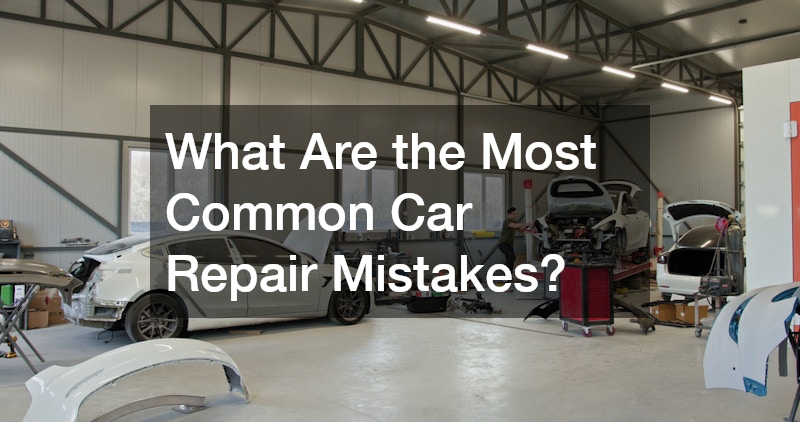
One of the most frequent mistakes in car repair is ignoring small warning signs. Drivers often dismiss minor noises or unusual smells, assuming they will resolve themselves. However, these signs can indicate serious underlying issues. Another common error is relying on DIY solutions without sufficient knowledge, which can result in further damage. Additionally, skipping routine maintenance or using substandard parts can significantly increase repair costs. Vehicle owners sometimes overlook proper documentation, such as checking auto insurance policies before repairs, which may leave them paying out-of-pocket unnecessarily. Even services like local vehicle wrap or auto window replacement require attention to quality and professional execution, which some underestimate.
Many car owners also fail to research service providers adequately. Choosing a repair shop solely based on price rather than expertise often leads to poor results. For instance, auto body repair requires technical skill and precision; mistakes here can decrease your vehicle’s resale value and create safety risks. Similarly, accident towing handled improperly may exacerbate existing damage. Understanding these common mistakes is the first step toward avoiding them, ensuring that car repair is done correctly and efficiently.
Consequences of Ignoring These Mistakes
Ignoring car repair mistakes can have serious consequences. Minor issues, if left unaddressed, may escalate into expensive repairs. For example, neglecting fluid changes or failing to maintain brakes can lead to complete system failures, posing safety risks. Improper auto window replacement can result in leaks or compromised visibility, while poor-quality vehicle wraps may peel or damage the underlying paint. These oversights often mean more frequent visits to auto repair shops, consuming both time and money.
Additionally, neglecting professional advice can affect your insurance claims. If an accident occurs and repairs weren’t handled properly, your auto insurance may not cover subsequent damage. This is why consulting car accident attorneys or motorcycle accident lawyers, when relevant, can help you understand your rights and protect your financial interests. Overlooking basic maintenance, such as routine inspections at a local auto car wash or checking for minor mechanical issues, can reduce your vehicle’s lifespan. In the long term, these consequences highlight the importance of awareness and proactive management in car repair.
How Can I Diagnose a Car Problem Correctly?
Importance of Proper Diagnosis
Accurate diagnosis is critical in car repair. Misdiagnosing a problem can lead to unnecessary part replacements, wasted labor, and ongoing vehicle issues. Proper identification of the issue ensures that repairs are targeted and effective, saving both time and money. Even seemingly minor problems, like a faulty auto window or a minor engine noise, require careful assessment to prevent larger failures. Involving professional mechanics, especially for complex systems, improves the likelihood of a successful repair. Local auto car wash services and routine inspections can sometimes reveal hidden issues, but precise diagnosis often requires specialized tools.
Professional diagnosis also helps streamline communication with service providers. Explaining the problem accurately allows auto body repair shops or vehicle wrap specialists to provide realistic estimates and timelines. It also aids in making informed decisions about whether to repair, replace, or upgrade parts. Engaging with professionals ensures you avoid unnecessary work and achieve lasting results.
Tools for Effective Diagnosis
Several tools can assist in diagnosing car problems efficiently. Basic tools like OBD-II scanners can read error codes, helping identify engine or electrical issues quickly. Diagnostic software and handheld devices are essential for detecting problems that aren’t obvious during visual inspections. Even basic equipment such as tire pressure gauges or fluid testers can prevent minor issues from turning into major repairs. For car owners attempting DIY inspections, these tools can be invaluable in providing clarity and guidance.
In addition, using high-quality replacement components for auto repair, such as certified auto window replacement parts or approved vehicle wraps, ensures compatibility and long-term reliability. Access to tools for effective diagnosis reduces mistakes and increases confidence when addressing car issues. Whether the repair involves an engine, brakes, or cosmetic fixes like local vehicle wrap applications, proper diagnostic tools play a crucial role in avoiding unnecessary complications.
Why Should I Avoid DIY Repairs?
Risks of DIY Repairs
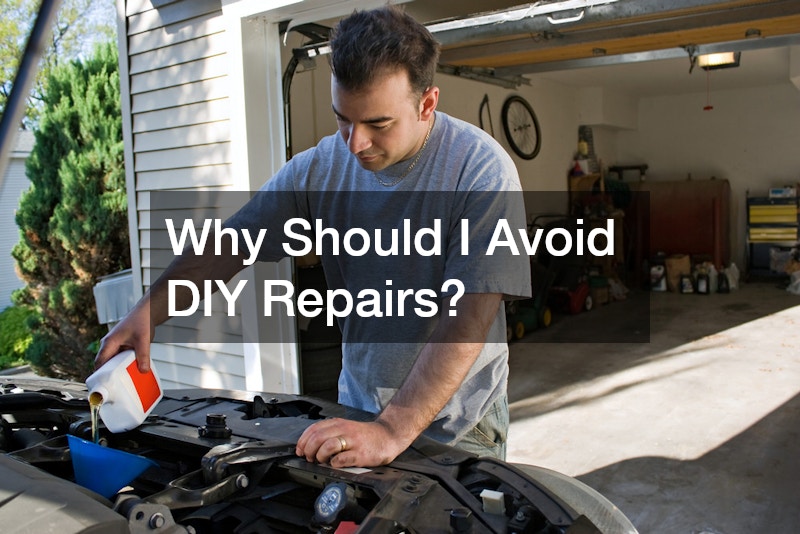
Attempting car repair without adequate knowledge carries significant risks. Improper installation of components, such as brakes or auto windows, can compromise vehicle safety. Even well-intentioned DIY efforts may lead to more extensive damage, resulting in higher costs than professional repairs. Mistakes during repairs can also void warranties or impact insurance claims. For example, a poorly executed local vehicle wrap may scratch paint or degrade adhesion, necessitating professional intervention.
Additionally, certain issues require specialized expertise. Attempting to repair complex engine problems, suspension systems, or electrical faults without proper understanding can lead to dangerous outcomes. Accident towing, when performed incorrectly, may further damage the vehicle. Engaging in DIY car repair without the necessary experience may also increase stress, reduce efficiency, and cause frustration when results fall short of expectations.
When to Seek Professional Help
Recognizing when to call a professional is vital in car repair. Tasks that involve engine diagnostics, auto body repair, or specialized vehicle wraps are best handled by experts. Consulting with a professional mechanic or a car accident attorney, in case of accident-related repairs, ensures that issues are addressed correctly. Even minor repairs, when done incorrectly, can result in long-term complications that outweigh any initial cost savings.
Professional help is particularly important for legal and safety considerations. In cases involving accidents, motorcycle accident lawyers or car accident attorneys can guide the repair process and help with insurance claims. Engaging skilled technicians for auto window replacement, vehicle wraps, or routine maintenance ensures quality and longevity. Understanding when to rely on professionals allows vehicle owners to avoid unnecessary risks and maintain their cars in optimal condition.
What Are Common Mistakes When Choosing Auto Parts?
The Importance of Quality Parts
Using low-quality or incompatible parts is one of the most common car repair mistakes. Cheap components can fail quickly, leading to recurring issues and additional expenses. High-quality parts, on the other hand, ensure reliability, safety, and longevity. For example, selecting proper auto window replacement components or certified parts for auto body repair can prevent leaks, structural problems, or cosmetic damage. Vehicle wraps installed with substandard materials may peel or fade prematurely, affecting the appearance and value of the car.
Quality parts also impact overall performance. Poorly chosen components may reduce fuel efficiency, strain other systems, or compromise safety features. When budgeting for repairs, it’s better to invest in trusted parts to avoid repeated visits to repair shops. Even local auto car wash services that involve chemical applications can be affected if inferior materials are used on surfaces. Prioritizing quality is a key step in preventing common car repair mistakes.
How to Choose the Right Parts for My Vehicle
Selecting the correct parts begins with knowing your vehicle’s make, model, and specifications. Consult the owner’s manual and verify compatibility before purchasing replacements. For more complex repairs, such as auto body repair or auto window replacement, professional guidance ensures that parts fit correctly and perform as expected. Local auto car wash facilities can also provide recommendations on materials suitable for maintaining the vehicle’s exterior finish.
Researching suppliers and reading reviews can further safeguard against poor-quality parts. Certified parts, OEM components, or reputable aftermarket options generally provide better reliability. Involving professionals during installation reduces the risk of errors and ensures the car operates safely. For vehicle wraps, choosing materials specifically designed for your car’s surface is critical to prevent damage. Taking the time to select the right parts minimizes mistakes and supports long-term vehicle performance.
What Should I Know About Fluid Changes?
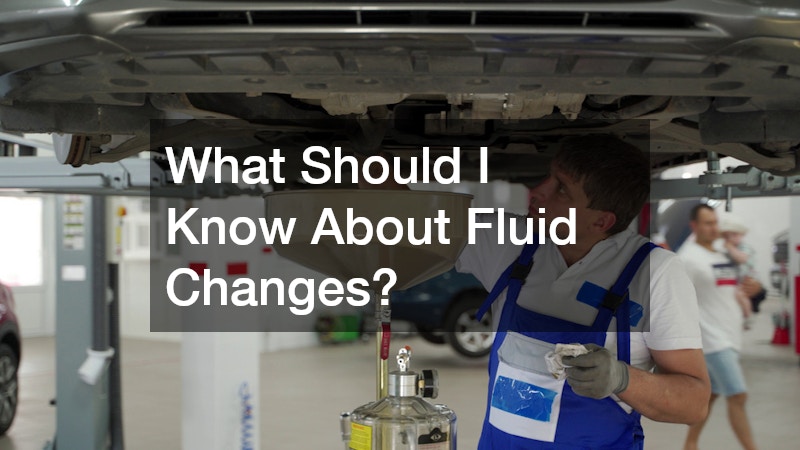
Common Misunderstandings About Fluid Changes
Fluid maintenance is one area where car owners often make mistakes. Many believe that changing fluids is only necessary when a problem arises, but neglecting scheduled changes can lead to serious damage. Engine oil, brake fluid, transmission fluid, and coolant all play crucial roles in vehicle operation. Ignoring their maintenance can result in decreased performance or even system failures. Auto repair shops often emphasize the importance of fluid checks, and professionals can detect early signs of contamination or wear before they escalate.
Misunderstandings about fluids can also extend to incorrect types or brands. Using the wrong oil viscosity or incompatible coolant can harm engines or other systems. Even auto window replacement and auto body repair can be affected indirectly if improper fluids cause corrosion or component degradation. Vehicle owners should consult their manuals, follow recommended guidelines, and trust experienced mechanics to ensure that fluid changes are done correctly and safely.
Proper Schedule for Fluid Changes
Establishing a proper schedule for fluid changes prevents avoidable repairs. Engine oil typically requires changing every 3,000 to 7,500 miles, depending on vehicle type and oil quality. Brake fluid should be replaced approximately every two years, while transmission fluid intervals vary based on manufacturer specifications. Coolant replacement and power steering fluid maintenance also follow specific timelines. Sticking to these schedules reduces wear and ensures optimal car performance.
How Can I Avoid Overlooking Basic Maintenance?
Importance of Regular Maintenance Checks
Regular maintenance is the foundation of effective car repair. Ignoring basic checks like tire pressure, brake condition, and battery health can escalate into major issues. Preventive maintenance reduces the risk of breakdowns and increases the lifespan of parts. Even simple inspections during visits to local auto car wash services or routine appointments at repair shops can reveal underlying issues. Professional mechanics are skilled at identifying subtle warning signs that drivers may miss.
Neglecting maintenance can affect insurance claims, especially after accidents. Properly maintained vehicles are less likely to suffer compounded damage, making repairs smoother and claims more straightforward. Involving experienced professionals ensures that systems like auto window replacement or vehicle wraps are not compromised by overlooked maintenance issues. Routine attention prevents small problems from evolving into expensive repairs.
Creating a Maintenance Schedule
A maintenance schedule keeps vehicle care organized and consistent. Start by consulting your vehicle’s owner’s manual for manufacturer-recommended intervals. Include tasks like fluid checks, tire rotations, brake inspections, and cleaning. Scheduling appointments with local auto car wash services also helps maintain the exterior and prevents corrosion, which can affect auto body repair quality.
What Are the Signs I Should Not Ignore?

Key Warning Signs of Trouble
Vehicles often provide warning signs before serious issues occur. Strange noises, vibrations, leaks, and dashboard alerts signal the need for inspection. Ignoring these can worsen damage and increase repair costs. Brakes that squeak, engines that stall, or fluids that leak indicate immediate attention is necessary. Auto window replacement issues, damaged vehicle wraps, or problems requiring accident towing services may also manifest through early signs.
Paying attention to these indicators prevents minor issues from becoming major repairs. Additionally, consulting a motorcycle accident lawyer may be necessary if signs result from past accidents, ensuring proper documentation and coverage. Recognizing warning signs is the first step in maintaining safe and reliable vehicle operation.
Responding to Warning Signs Promptly
Prompt responses to warning signs are critical. Delaying repairs can lead to more extensive damage and increased costs. For example, a leaking coolant line, if left untreated, can result in engine overheating. Immediate consultation with auto repair professionals ensures accurate diagnosis and timely action. Vehicle owners who address problems early are less likely to face recurring issues or insurance complications.
Professional services, whether for auto body repair, vehicle wraps, or general car repair, are better equipped to handle these issues efficiently. Keeping an eye on warning indicators and acting without delay improves vehicle safety, maintains performance, and ensures that repairs are completed properly the first time.
Car repair is a complex but manageable aspect of vehicle ownership. Awareness of common mistakes, from DIY errors to neglecting fluid changes, empowers drivers to make informed decisions and maintain vehicle safety. Proper diagnosis, professional involvement, and use of quality parts all contribute to successful repairs. Even services like local auto car wash visits, auto window replacement, and vehicle wraps play a role in preserving a vehicle’s condition.
Recognizing warning signs early, following a structured maintenance schedule, and budgeting for necessary repairs ensures reliability and longevity. Accident towing, auto body repair, and legal guidance from car accident attorneys or motorcycle accident lawyers help protect your investment when incidents occur. By understanding common pitfalls and applying proactive strategies, vehicle owners can reduce costs, prevent repeated repairs, and enjoy a safe driving experience. Prioritizing car repair through knowledge, planning, and professional collaboration ensures that your vehicle remains dependable for years to come.