
Running an independent automotive service facility is no longer just about mechanical skill or turning a wrench. Today, local service stations must deal with complex vehicle architectures, hyper-competitive marketing channels, and a major industry-wide shift toward digital transparency. While the demand for professional vehicle maintenance remains consistently strong, the gap between low-performing neighborhood garages and highly profitable, multi-bay repair centers is wider than ever. To build a highly successful, resilient car center, owners must look past old, reactive management styles and treat their business with strict operational, financial, and digital discipline.
Taking a local service facility to elite profitability requires combining top-tier diagnostic skill with seamless workflow automation and an exceptional client experience. Maximizing your return on investment means treating your facility not just as a physical workspace, but as an engineered system where floor efficiency directly drives net profit margins. This comprehensive operational manual provides shop owners, service advisors, and lead technicians with a detailed roadmap to automate shop floor logistics, navigate complex vehicle diagnostic technology, manage heavy collision repair pipelines, and build lifelong customer loyalty within your local market.
Centralizing Operations Through Cloud Architecture

Implementing Advanced Digital Ledgers and Streamlining Front-of-House Workflows
The backbone of a highly efficient independent repair facility is its internal digital architecture. Relying on paper repair tracking sheets, manual inventory count boards, or fragmented, offline desktop software creates massive data bottlenecks that slow down your technicians, cause inaccurate billing, and hurt shop productivity. To run a truly successful modern repair business, you must invest in a centralized, cloud-based automotive shop management system that connects your parts counter, your technician bays, and your accounting platform into a single, real-time data stream (Ji, 2021).
Moving your primary shop operations to an integrated cloud network transforms how your service advisors interact with customers and manage daily workflows. High-performance auto shop software automates the entire repair pipeline—from generating digital estimate sheets and sending text-to-pay links to tracking parts orders and recording historical vehicle maintenance logs (Raman et al., 2023). This digital transition eliminates administrative errors, cuts down on unproductive desk time, and gives your management team clear visibility into your daily gross profit margins and bay utilization rates.
Deploy Digital Vehicle Inspection Programs:
Require technicians to perform digital health checks using mobile tablets, attaching clear photographs and videos of worn components straight to the digital estimate sheet for transparent customer approvals.
Automate Real-Time Inventory Tracking Loops:
Connect your parts database directly to regional wholesale parts networks, allowing your team to verify component pricing and place orders within seconds without picking up the phone.
Integrate Two-Way Text Communication Hubs:
Send automated text messages to notify clients when their vehicle enters the shop, share digital repair estimates, and accept secure mobile payments to speed up afternoon vehicle pickups.
Optimizing Shop Floor Logistics and Throughput
Restructuring Repair Bays and Standardizing Mechanical Diagnostics
The profitability of an automotive repair center is directly tied to the productivity of its technicians and the physical efficiency of its repair bays. If your team has to wander across the shop floor searching for specialized diagnostic scanners, or if bays sit empty due to delayed parts deliveries, you are bleeding valuable billable hours. Applying lean manufacturing principles to your workshop layout allows you to eliminate non-value-added movements, streamline vehicle staging lanes, and boost your overall operational efficiency (Calderón-Mendoza-del-Solar et al., 2024).
Maintaining maximum output requires separating your floor plan into dedicated zones for high-volume maintenance services—such as oil changes, brake pads, and tire rotations—and complex diagnostic work. Every single bay should be equipped with a standardized set of heavy-duty tools, fluid lines, and a dedicated computer terminal to access vehicle wiring diagrams. Sourcing an elite, master-level auto mechanic to serve as your shop’s diagnostic leader ensures that complex electrical shorts, drivability issues, and programming faults are diagnosed quickly and accurately, preventing come-backs and keeping the line moving.
Implement Systematic Layout Planning Systems:
Reorganize your repair bays to reduce the distance technicians must walk to source heavy shop equipment, clean parts washers, or meet with service advisors (Calderón-Mendoza-del-Solar et al., 2024).
Enforce Strict Clean-Bay Operating Standards:
Require your crew to sweep floors, wipe down lifts, and return specialized diagnostic tools to their central storage boards at the end of every shift to prevent safety hazards.
Deploy Digital Labor Tracking Terminals:
Track your shop’s efficiency by having technicians clock into specific repair orders on digital terminals, allowing you to easily identify workflow bottlenecks.
Building Dominant General Service Operations
Executing Precision Under-Car System Remediations and Multi-Point Audits
While handling advanced engine rebuilds and complex electrical work showcases your shop’s technical skill, the financial foundation of any independent facility relies on high-volume general auto repair services. Maintenance tasks like fluid flushes, steering alignments, and brake system repairs generate consistent cash flow and carry excellent parts profit margins. To capture this lucrative work predictably, your front-of-house team must perform a comprehensive, multi-point digital inspection on every single vehicle that enters your shop, regardless of the initial reason for the service visit.
Running a highly effective mechanical repair operation requires treating every vehicle inspection with strict mechanical discipline. Service advisors should frame these inspections as educational health checks, providing clients with clear digital evidence of component wear and prioritizing repairs by safety urgency. By standardizing this diagnostic process, you protect your customers’ safety, build long-term trust, and systematically uncover hidden service opportunities that keep your bays filled with high-margin work.
Standardize All Wheel Alignment Safety Protocols:
Run a complimentary alignment check on every vehicle during tire rotations to identify early steering suspension wear and secure additional service work.
Incorporate High-Performance Fluid Flush Systems:
Invest in professional, dedicated fluid extraction machines for transmission, coolant, and power steering systems to complete flush services cleanly and efficiently.
Form Strategic Alliances with Regional Fleet Operators:
Secure stable commercial revenue by offering priority scheduling windows and custom corporate pricing to local delivery, utility, and municipal fleets.
Navigating Precision Collision and Structural Restoration
Managing Complex Insurance Approvals and Heavy Framework Pipelines
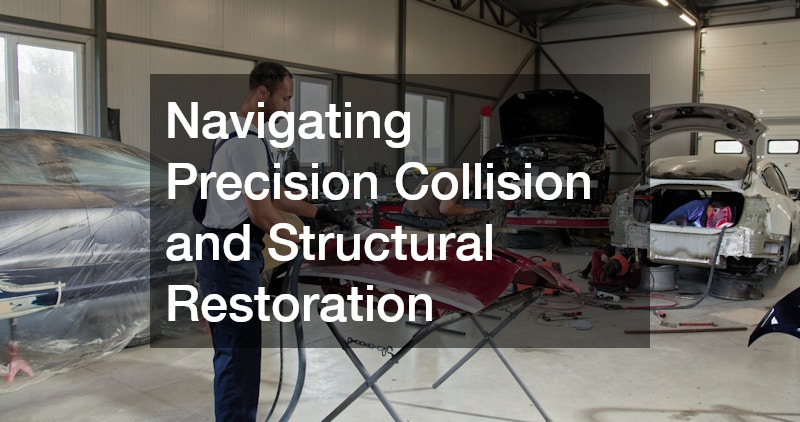
Expanding your general repair business into the specialized collision field requires adding advanced structural engineering equipment and navigating a completely different administrative landscape. Dealing with a vehicle that has suffered severe car collision damage means your shop must be capable of measuring and pulling heavy unibody frames back to exact factory dimensions. This high-stakes work requires a serious capital investment in electronic frame-measuring systems, computerized down-draft paint booths, and specialized welding systems designed for high-strength steel and aluminum alloys.
To build a reputation for executing the best collision repair in your local market, your shop must master both advanced structural metalwork and complex insurance claims processes. Insurance adjusters utilize strict, metric-driven estimating software and demand thorough photographic proof for every supplemental parts request. Training a dedicated collision estimator to handle these insurance channels guarantees your shop receives full reimbursement for required structural repairs while protecting your customers from cut-rate component alternatives.
Deploy Precision Electronic Frame Measuring Matrix Systems:
Utilize 3D laser-measuring systems during the tear-down phase to map out hidden frame deviations and verify the chassis is pulled completely back to factory tolerances.
Utilize Down-Draft Computerized Thermal Paint Booths:
Clean and finish all body panels inside a pressurized, dust-free down-draft booth to ensure a flawless factory-match finish every single time.
Establish Transparent Digital Photographic Supplement Channels:
Take high-resolution, clear photographs of hidden structural damage uncovered during vehicle tear-downs to secure immediate insurance approvals for supplemental parts.
Diversifying Revenue via Automotive Accessory Integration
Capturing Premium Electronic Customization and Audio Customization Projects
As modern vehicle interiors transition into mobile technology hubs, a lucrative way to expand your independent car shop footprint is integrating high-end electronic customization and accessory services. Many vehicle owners want to upgrade their factory cabins by adding modern smartphone connectivity, advanced driver-assistance systems, integrated radar detectors, and premium sound systems. Offering these high-margin, specialized electronic upgrades allows you to diversify your revenue streams and attract a passionate, premium clientele who are happy to invest heavily in their vehicles.
Building a dominant vehicle accessory department requires hiring certified, highly specialized car audio installers who understand how to integrate complex aftermarket electronics with sensitive factory computer networks. Attempting to install high-performance amplifiers, custom speaker enclosures, or modern digital touchscreens without expert knowledge can easily trigger dashboard warning lights, void factory wiring warranties, or drain vehicle batteries. By combining expert wiring skills with high-end interior craftsmanship, your shop can capture a massive share of the premium custom electronics market.
Install Premium Bluetooth Touchscreen Radios:
Upgrade legacy factory dashboard units with modern, flush-mount systems that integrate seamlessly with existing steering wheel controls and backup cameras.
Construct Seamless Custom Fiberglass Enclosures:
Design and build custom speaker and subwoofer enclosures that match the vehicle’s interior aesthetic perfectly without taking up valuable trunk space.
Integrate Advanced Sound Dampening Insulation Layers:
Apply professional butyl-rubber sound insulation sheets beneath the vehicle’s carpets and inside door panels to eliminate road noise and maximize car stereo performance.
Executing Scientific Valuations and Appraisals
Navigating Diminished Value Metrics and Totaled Vehicle Assets
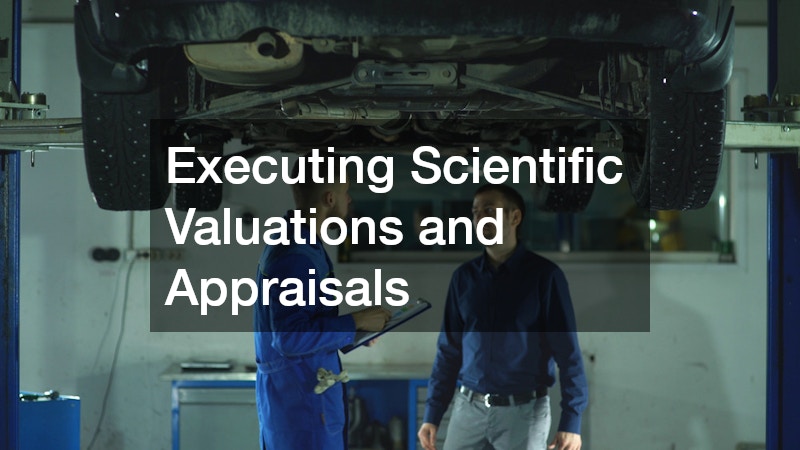
The final critical pillar to master when running a comprehensive automotive enterprise is executing professional vehicle valuations, collision damage estimates, and accurate salvage assessments. After a major road accident occurs, car owners are frequently caught in complex legal and financial battles with insurance adjusters regarding the true pre-accident market value of their property, or the subsequent diminished value of their repaired vehicle. Providing an independent, data-driven local auto appraisal service positions your shop as an authoritative industry expert and builds a strong, highly reliable source of fee-based consulting revenue.
Executing these vehicle valuations with absolute financial and structural integrity requires tracking local market metrics, historic auction data, and verified component depreciation schedules. Your appraisal experts must provide detailed, legally binding diagnostic reports that factor in pre-accident vehicle condition, options packages, mechanical histories, and hidden frame wear. Providing this level of independent expert valuation allows your business to build deep relationships with regional law firms, local estate executors, and classic car collectors, driving continuous high-value traffic to your facility.
Provide Definitive Post-Repair Diminished Value Logs:
Calculate and document the loss in market value a vehicle suffers after an accident, helping your clients secure fair financial compensation from insurance networks.
Execute Comprehensive Pre-Purchase Mechanical Inspections:
Offer peace of mind to used-car buyers by running pre-purchase checkups that unmask past odometer tampering, hidden structural wear, and cleared diagnostic fault codes.
Establish Priority Storage Partnerships with Salvage Channels:
Secure steady, passive corporate revenue by renting out secure yard spaces to regional insurance networks for vehicle storage during extended total-loss adjusters reviews.
Operational Integration and Workplace Value Engineering
To sustain long-term growth, independent facility directors must treat these individual service categories as integrated parts of a single, unified enterprise system. For instance, the mechanical repair team must work closely with the collision department to perform multi-point suspension alignments on vehicles that have just left the structural frame-pulling machines. This collaborative workflow prevents costly errors, improves total shop communication, and ensures the repaired vehicle meets strict factory specifications before being returned to the customer.
Similarly, your aftermarket electronics and audio custom department should be utilized to generate high-margin up-sells from your standard mechanical service line. When a general repair customer reports that their legacy factory radio interface is glitched, service advisors can immediately introduce a modern touchscreen dashboard solution, transforming a low-ticket service call into a significant custom project. By structuring clear referral pathways across your mechanical, collision, and custom departments, you maximize your shop’s gross profit per square foot while offering complete automotive service convenience.
Building a highly successful, resilient independent automotive repair center requires a permanent shift away from old-school, reactive garage management and an embrace of data-driven business leadership. By anchoring your daily operations to a cloud-based workflow framework, optimizing your shop floor layout, and building high-performance profit centers across mechanical repair, structural collision restoration, and custom vehicle electronics, you build an unshakeable competitive barrier around your local market share. This proactive framework does more than simply boost your daily billable hours; it turns your business into a self-sustaining asset that builds lasting enterprise value and delivers complete peace of mind to your clientele.
The path to long-term profitability and market leadership demands a continuous commitment to technician training, digital customer transparency, and careful overhead control. While changing vehicle technologies and shifting economic conditions will always present fresh challenges, a facility that manages its operations with clear data, enforces strict safety metrics, and respects the value of long-term customer relationships will always thrive (Hong et al., 2020). Take absolute control of your business by building an unshakeable operational foundation; for unmatched technical support, specialized equipment calibration, and elite fleet maintenance partnerships, schedule your next corporate systems consultation with the master mechanics at Wolff’s Plumbing & Heating, Inc.
